FLAME RETARDANT


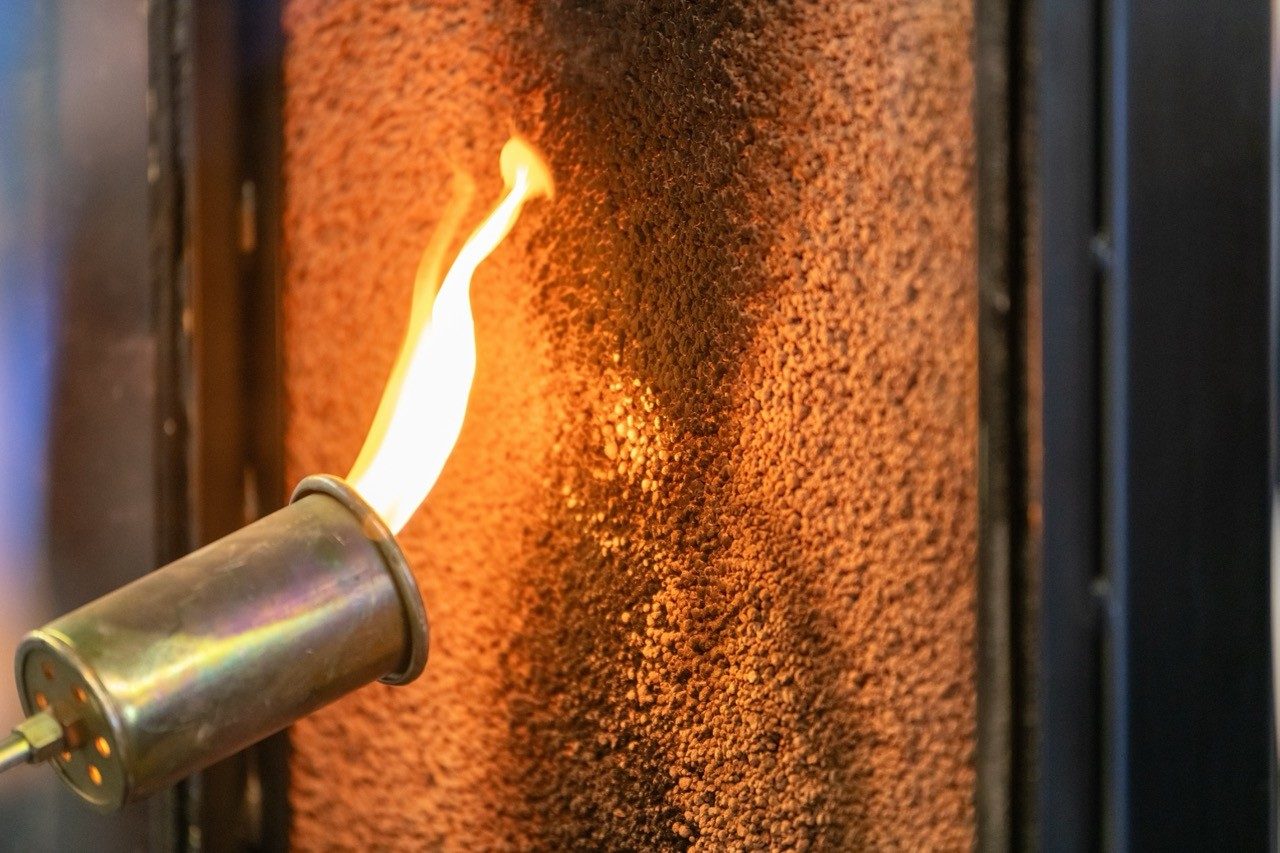
Flame retardant finishes offering halogen-free and wash-resistant options for blends of synthetic and natural fibres (such as PES, PA, cotton, etc.) provide reliable flame spread control with formulations optimised for different process conditions and performance targets.

Product Features
Halogen-free system options: Suitable solutions for environmental sensitivity and low smoke/flame retardant targets.
Wash-resistant forms: Helps maintain performance during use and care cycles.
Wide fibre compatibility: Optimised product alternatives for polyester, polyamide, cotton, and their blends.
Process flexibility: Offers the possibility of selection based on the targeted fire resistance (FR) performance with different concentrations, stability, and formulation structures.
Our Product Range
ADDIFLAM PES LW92

ADDIFLAM PES LW92

ADDIFLAM PES LW92

ADDIFLAM PES LW92

ADDIFLAM PP50

ADDIFLAM PP50

ADDIFLAM PP50

ADDIFLAM PP50

TEXSOTECH CM2
TEXSOTECH CM2
TEXSOTECH CM2
TEXSOTECH CM2
TEXSOTECH NF WFC

TEXSOTECH NF WFC

TEXSOTECH NF WFC

TEXSOTECH NF WFC

TEXSOTECH NF WFC

TEXSOTECH NF WFC

TEXSOTECH NF WFC

TEXSOTECH NF WFC

TEXSOTECH WFC

TEXSOTECH WFC

TEXSOTECH WFC

TEXSOTECH WFC

Frequently Asked Questions
What does 'flame retardant' do, and how does it differ from 'non-flammable'?
Flame retardants (FR) delay ignition, limit the spread of flames, and help control dripping/smelting. “Non-flammable (fireproof/non-combustible)” is a general claim of complete non-flammability and is not applicable to most textiles/finishes. The correct term is flame retardant; it is chosen based on the target standard and application area.
According to which standards is performance evaluated?
With halogen or without halogen? Which should we choose?
Do you provide technical support for your products?
Do you develop a flame retardant solution tailored to our needs?
What does 'flame retardant' do, and how does it differ from 'non-flammable'?
Flame retardants (FR) delay ignition, limit the spread of flames, and help control dripping/smelting. “Non-flammable (fireproof/non-combustible)” is a general claim of complete non-flammability and is not applicable to most textiles/finishes. The correct term is flame retardant; it is chosen based on the target standard and application area.
According to which standards is performance evaluated?
With halogen or without halogen? Which should we choose?
Do you provide technical support for your products?
Do you develop a flame retardant solution tailored to our needs?
What does 'flame retardant' do, and how does it differ from 'non-flammable'?
Flame retardants (FR) delay ignition, limit the spread of flames, and help control dripping/smelting. “Non-flammable (fireproof/non-combustible)” is a general claim of complete non-flammability and is not applicable to most textiles/finishes. The correct term is flame retardant; it is chosen based on the target standard and application area.
According to which standards is performance evaluated?
With halogen or without halogen? Which should we choose?
Do you provide technical support for your products?
Do you develop a flame retardant solution tailored to our needs?
What does 'flame retardant' do, and how does it differ from 'non-flammable'?
Flame retardants (FR) delay ignition, limit the spread of flames, and help control dripping/smelting. “Non-flammable (fireproof/non-combustible)” is a general claim of complete non-flammability and is not applicable to most textiles/finishes. The correct term is flame retardant; it is chosen based on the target standard and application area.
According to which standards is performance evaluated?
With halogen or without halogen? Which should we choose?
Do you provide technical support for your products?
Do you develop a flame retardant solution tailored to our needs?

Meet Your Chemical Solutions Partner
Contact us for bespoke chemical solutions tailored to your needs.

Meet Your Chemical Solutions Partner
Chemical solutions tailored to your needs
contact us for more information.

Meet Your Chemical Solutions Partner
Chemical solutions tailored to your needs
contact us for more information.

Meet Your Chemical Solutions Partner
Contact us for bespoke chemical solutions tailored to your needs.